Your fish live in water 24/7, so water quality directly impacts their health, behavior, and lifespan. Understanding and maintaining proper water parameters is one of the most important skills any aquarist can develop.
Why Water Parameters Matter
Fish have evolved over millions of years to thrive in specific water conditions. When we keep them in aquariums, we must replicate these conditions as closely as possible. Poor water quality leads to:
- Stress and weakened immune systems
- Disease susceptibility
- Reduced lifespan
- Behavioral problems
- Breeding failures
- Death
Essential Water Parameters
1. Temperature
Why it matters: Fish are cold-blooded, meaning their body temperature matches their environment. Wrong temperatures affect metabolism, immune function, and oxygen absorption.
Ideal ranges by fish type:
- Tropical freshwater: 75-82°F (24-28°C)
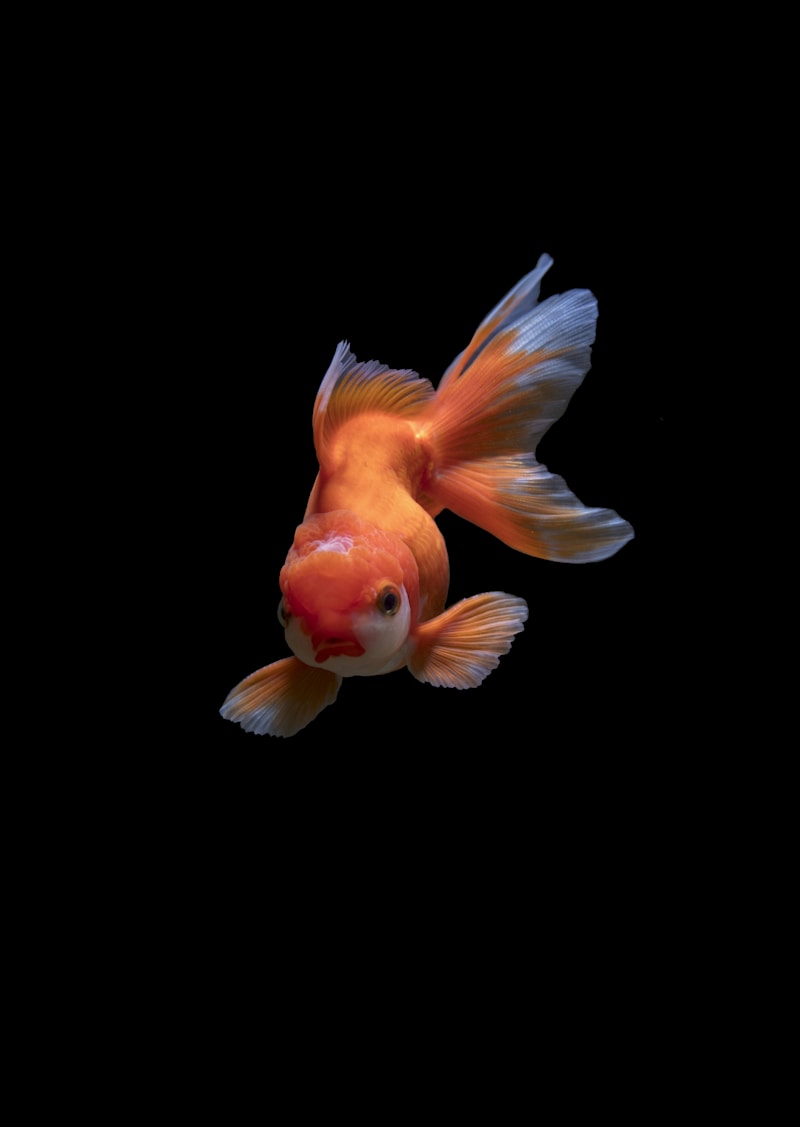
- Coldwater (goldfish): 65-72°F (18-22°C)
- Tropical marine: 75-80°F (24-27°C)
Tips:
- Use a reliable heater for tropical fish
- Place thermometer away from heater for accurate readings
- Avoid placing tank near windows or heating vents
- Temperature fluctuations of more than 2°F per hour cause stress
2. pH (Acidity/Alkalinity)
Why it matters: pH affects how toxic ammonia is and influences fish health directly. Most fish can adapt to a range but struggle with sudden changes.
Scale: 0-14 (7 is neutral, below 7 is acidic, above 7 is alkaline)
Ideal ranges:
- Most freshwater fish: 6.5-7.5
- African cichlids: 7.8-8.5
- Discus and rams: 6.0-6.5
- Marine fish: 8.1-8.4
Tips:
- Stability is more important than hitting an exact number
- Never adjust pH more than 0.2 per day
- Use natural methods (driftwood, crushed coral) rather than chemicals
- Test tap water - it often changes with the seasons
3. Ammonia (NH3/NH4+)
Why it matters: Ammonia is the most toxic substance fish commonly encounter. It burns gills, damages organs, and can kill quickly.
Ideal level: 0 ppm (always!)
Sources:
- Fish waste
- Uneaten food
- Decaying plant matter
- Dead organisms
- Tap water (chloramine releases ammonia)
Emergency response if ammonia detected:
- Immediately do a 50% water change
- Use a detoxifier like Seachem Prime
- Test daily and continue water changes
- Check for dead fish or rotting food
- Ensure filter is working properly
4. Nitrite (NO2-)
Why it matters: Nitrite prevents blood from carrying oxygen, causing "brown blood disease." Even low levels are dangerous.
Ideal level: 0 ppm (always!)
Common in:
- New tanks (cycling)
- After adding many new fish
- After filter cleanings or power outages
Treatment:
- Water changes (nitrite doesn't detoxify as easily as ammonia)
- Add salt (1 tsp/gallon) - this blocks nitrite uptake through gills
- Ensure adequate aeration
5. Nitrate (NO3-)
Why it matters: The end product of the nitrogen cycle. While less toxic, high levels still cause stress, stunted growth, and reduce immune function.
Ideal levels:
- Freshwater: Under 40 ppm (under 20 ppm preferred)
- Marine: Under 20 ppm (under 10 ppm for corals)
Reduction methods:
- Regular water changes (primary method)
- Live plants (absorb nitrate as fertilizer)
- Proper stocking levels
- Not overfeeding
- Nitrate-reducing filter media
6. General Hardness (GH)
Why it matters: Measures dissolved calcium and magnesium. Essential for fish bone development, nerve function, and osmoregulation.
Measured in: dGH (degrees of general hardness) or ppm
Ideal ranges:
- Soft water fish (tetras, discus): 3-8 dGH
- Hard water fish (livebearers, cichlids): 12-20 dGH
- Most community fish: 8-12 dGH
Adjustment:
- To increase: crushed coral, limestone, Seachem Equilibrium
- To decrease: RO water, peat moss, Indian almond leaves
7. Carbonate Hardness (KH)
Why it matters: KH buffers pH, preventing dangerous swings. Low KH = unstable pH.
Ideal range: 4-8 dKH for most freshwater
Tips:
- KH below 3 dKH can cause pH crashes
- African cichlid tanks need higher KH (10-15 dKH)
- Test KH if you experience pH instability
8. Chlorine/Chloramine
Why it matters: Added to tap water to kill bacteria. Will also kill fish and beneficial bacteria.
Ideal level: 0 ppm
Solution: Always use a water conditioner when adding tap water
Testing Your Water
Types of Test Kits
Liquid test kits (recommended):
- More accurate
- Longer shelf life
- Better value long-term
- API Master Test Kit is the gold standard
Test strips:
- Convenient
- Good for quick checks
- Less accurate
- Expire faster
Testing Schedule
Cycling a new tank: Test daily
Established tank: Test weekly
After changes: Test for several days after:
- Adding new fish
- Changing filter media
- Medication treatments
- Major water changes
Maintaining Stable Parameters
Weekly Maintenance Routine
- Test water (ammonia, nitrite, nitrate, pH)
- 25-30% water change with dechlorinated water
- Vacuum substrate
- Clean filter (rinse media in tank water, not tap)
- Remove dead leaves and debris
Monthly Maintenance
- Check equipment (heater, filter, air pump)
- Replace filter floss/carbon if used
- Clean glass inside and out
- Trim plants
- Deep test (GH, KH if not checked weekly)
Troubleshooting Common Problems
pH keeps dropping:
- Low KH - add crusite coral or buffer
- Too much CO2 - increase surface agitation
- Organic acid buildup - more frequent water changes
Ammonia spikes:
- Overfeeding - feed less, remove uneaten food
- Overstocking - reduce fish population
- Dead fish - check hiding spots
- Filter failure - check equipment
Nitrates always high:
- Increase water change frequency or volume
- Reduce feeding
- Add live plants
- Check stocking levels
- Consider larger tank
Conclusion
Understanding water parameters is fundamental to successful fishkeeping. While it may seem overwhelming at first, regular testing and maintenance become second nature quickly. Your fish will reward you with vibrant colors, active behavior, and long, healthy lives.
Remember: When in doubt, do a water change. Clean water solves most problems before they start.