Complete Angelfish Care Guide
Pterophyllum scalare
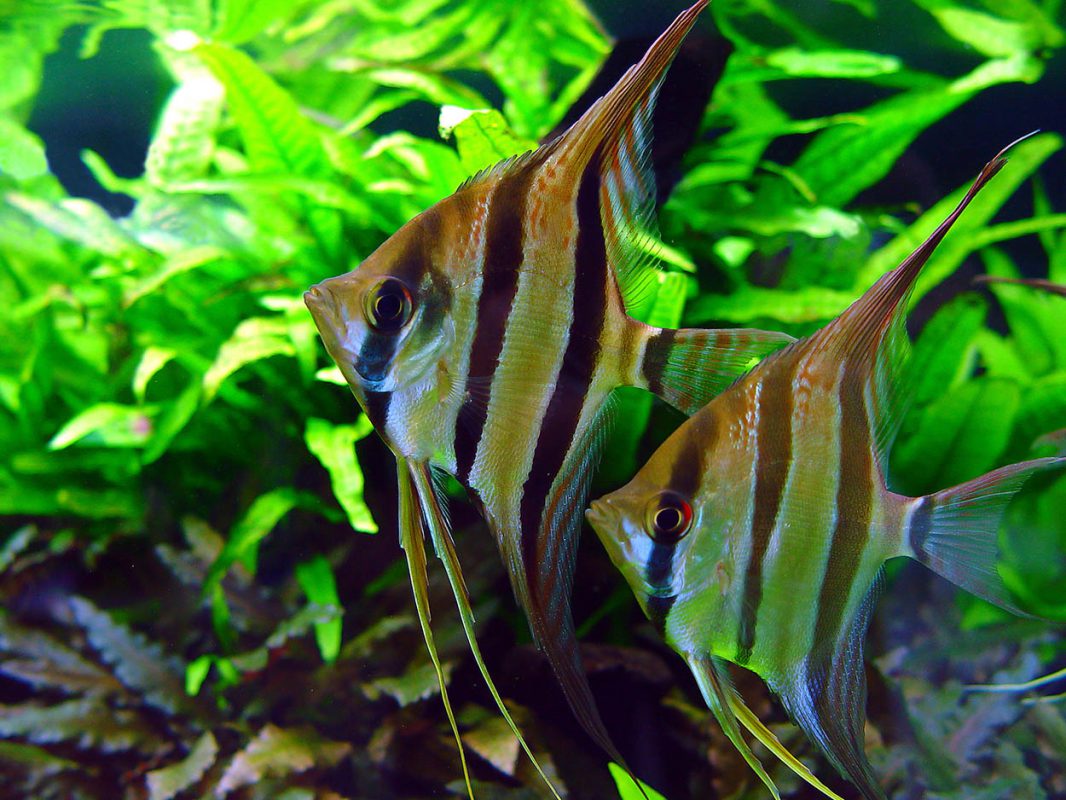
Freshwater angelfish are elegant cichlids prized for their distinctive triangular shape and graceful swimming. Native to the Amazon River basin, these fish have been popular in the aquarium hobby for over a century.
Lifespan
10-12 years
Size
6 inches long, 8-10 inches tall
Tank Size
Minimum 30 gallons for a pair
Temperature
76-84°F (24-29°C)
pH
6.0-7.5
Diet
Omnivore
Freshwater angelfish are elegant cichlids prized for their distinctive triangular shape and graceful swimming. Native to the Amazon River basin, these fish have been popular in the aquarium hobby for over a century.
While often sold as community fish, angelfish are cichlids with semi-aggressive tendencies. They require careful tank mate selection and can become territorial, especially during breeding. This guide covers everything needed to keep these beautiful fish successfully.
Tank Requirements
Angelfish need appropriately sized tanks that accommodate their height.
Tank Size - Minimum 30 gallons for a pair - 55+ gallons for a community setup - 75+ gallons for a group of 6+
Tank Shape - Height is crucial - angelfish are tall fish - Minimum 18 inches tall recommended - Standard tanks better than long/shallow tanks
Water Parameters - Temperature: 76-84°F (higher for breeding) - pH: 6.0-7.5 (slightly acidic preferred) - Soft to moderate hardness - Ammonia/Nitrite: 0 ppm - Nitrate: Under 20 ppm
Decorations - Tall plants (Amazon swords, Vallisneria) - Vertical driftwood pieces - Open swimming areas - Subdued lighting preferred
Tank Mates
Choosing appropriate tank mates requires understanding angelfish behavior.
Good Tank Mates - Corydoras catfish - Larger tetras (rummy nose, congo) - Dwarf gouramis - Bristlenose plecos - Rainbowfish - Bolivian rams
Avoid - Small tetras (neons when angels are adults) - Fin nippers (tiger barbs) - Very active fish that stress angels - Aggressive cichlids - Bettas (similar territory needs)
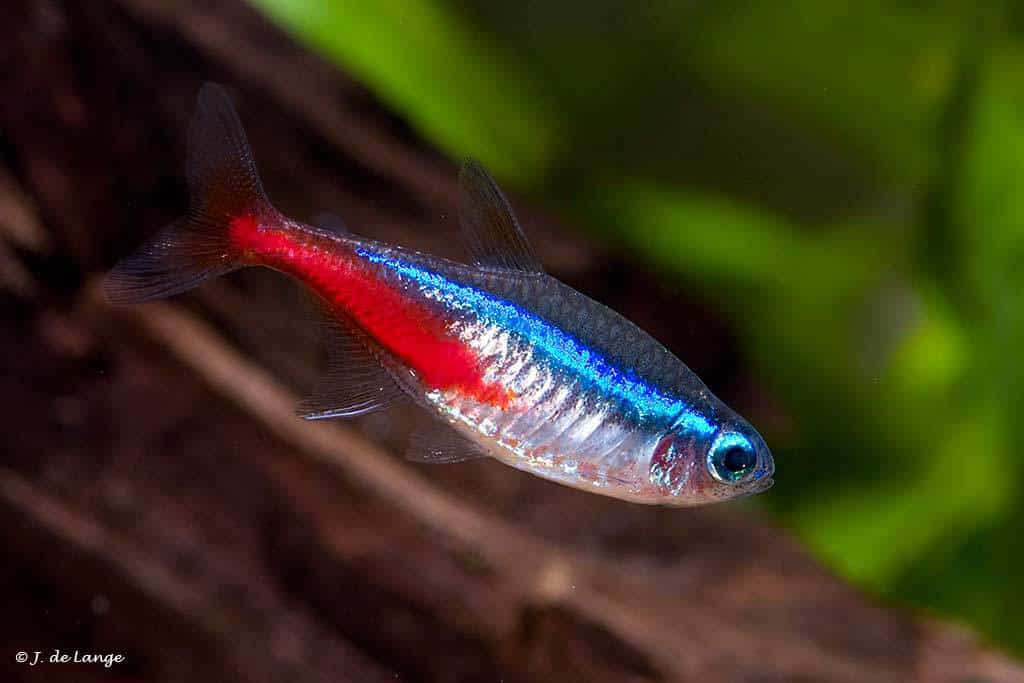
The Neon Tetra Question Adult angelfish often eat neon tetras. While juveniles may coexist, mature angels see them as food. Larger tetras are safer choices.
Keeping Multiple Angelfish - Groups of 6+ reduce aggression - Pairs can be territorial - Provide plenty of space - Expect some hierarchy fighting
Feeding
Angelfish are omnivores requiring variety in their diet.
Staple Foods - High-quality flakes or pellets - Specifically formulated for cichlids - Feed 2-3 times daily
Protein Sources - Frozen bloodworms - Brine shrimp - Mysis shrimp - Occasional live foods
Vegetable Matter - Spirulina flakes - Blanched vegetables - Algae wafers (occasional)
Feeding Tips - Don't overfeed - thin body is healthy - Remove uneaten food - Fast one day per week - Variety is key for color and health
Breeding Angelfish
Angelfish are relatively easy to breed and make devoted parents.
Pair Formation - Buy 6+ juveniles and let them pair naturally - Bonded pairs stay together - Forced pairing often fails
Breeding Setup - Slightly raise temperature to 82-84°F - Provide flat surfaces (slate, broad leaves, cones) - Clean water is essential - Remove other fish or breed in separate tank
Spawning Behavior - Pair cleans spawning site - Female lays eggs in rows - Male follows and fertilizes - 200-400+ eggs typical
Raising Fry - Parents guard and fan eggs - Eggs hatch in 48-72 hours - Fry become free-swimming in 5-7 days - Feed baby brine shrimp initially - Some pairs eat eggs - remove if this happens
Common Mistakes to Avoid
- 1Keeping in tanks that are too short
- 2Housing with small tetras that become food
- 3Not providing adequate group size
- 4Ignoring aggression during pairing
- 5Keeping in cool water below 76°F
- 6Overfeeding causing obesity
- 7Mixing with fin-nipping species
- 8Not having backup plan for territorial pairs
Frequently Asked Questions
How big do angelfish get?
Angelfish reach about 6 inches in body length but can be 8-10 inches from fin tip to fin tip. Height is often greater than length in these fish.
Can angelfish live with neon tetras?
Juvenile angelfish can coexist with neons, but adult angels often eat them. Larger tetras like rummy nose or congo tetras are safer choices.
How many angelfish should I keep?
Keep either a bonded pair or a group of 6+. Odd numbers or small groups often result in bullying. Solo angels can also thrive.
Why are my angelfish fighting?
Angelfish establish hierarchies and can be territorial. This is normal to some extent. Severe fighting may indicate inadequate space, too few fish, or pair formation.
Recommended Products
Equipment we recommend for Angelfish care
API Freshwater Master Kit
Essential water testing
Seachem Prime
Best water conditioner
Python Water Changer
Easy water changes
As an Amazon Associate we earn from qualifying purchases