Complete Corydoras Catfish Care Guide
Corydoras spp.
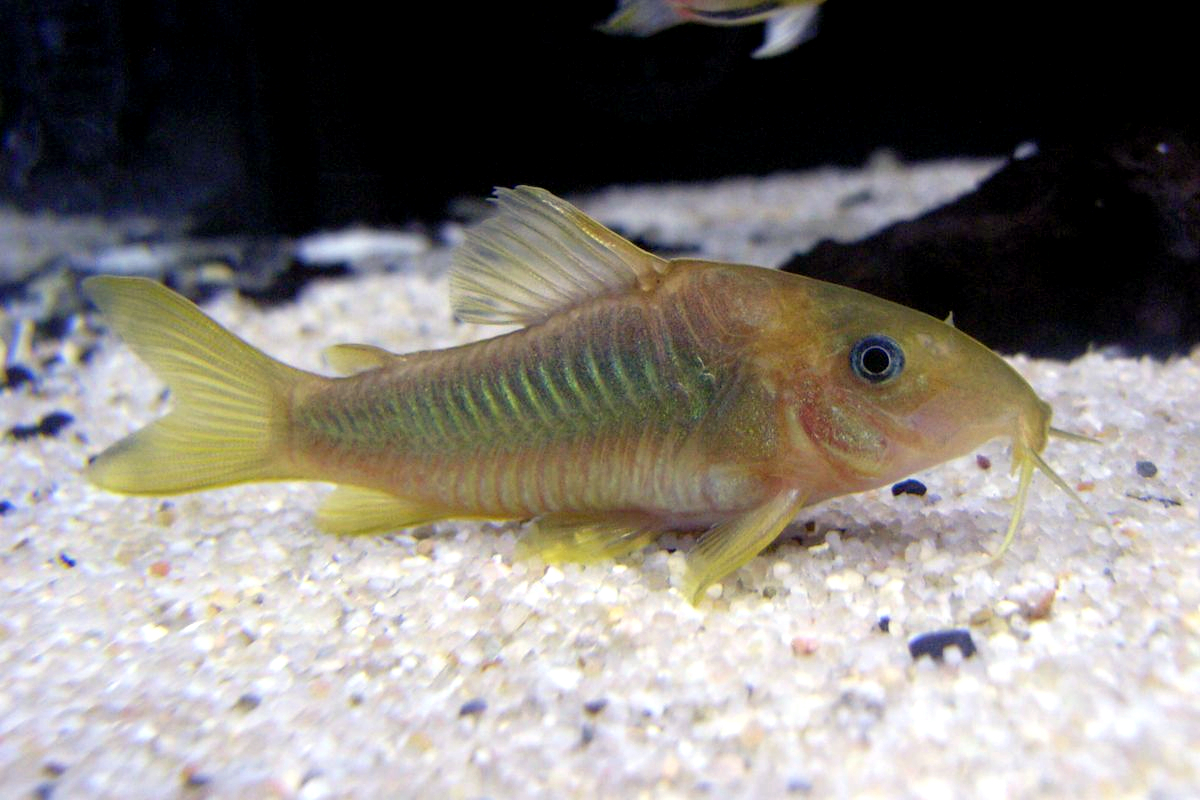
Corydoras catfish, affectionately known as "cories," are among the most popular bottom-dwelling fish in the aquarium hobby. With over 160 known species, there's a cory for almost every tank setup.
Lifespan
5-10 years
Size
1-4 inches depending on species
Tank Size
Minimum 20 gallons for a group
Temperature
72-79°F (22-26°C)
pH
6.0-8.0
Diet
Omnivore - bottom feeder
Corydoras catfish, affectionately known as "cories," are among the most popular bottom-dwelling fish in the aquarium hobby. With over 160 known species, there's a cory for almost every tank setup.
These peaceful, social fish are beloved for their endearing behavior, constantly foraging along the bottom and occasionally darting to the surface for a gulp of air. They're excellent community fish and help keep the substrate clean.
Species Overview
There are many corydoras species to choose from. Here are some popular options:
Beginner-Friendly Species - Bronze Cory (C. aeneus) - Hardy, common, 2.5 inches - Albino Cory - Color variant of bronze, equally hardy - Peppered Cory (C. paleatus) - Hardy, attractive pattern - Panda Cory (C. panda) - Cute markings, slightly more sensitive
Dwarf Species (for smaller tanks) - Pygmy Cory (C. pygmaeus) - 1 inch, mid-water swimmer - Habrosus Cory (C. habrosus) - 1.4 inches - Hastatus Cory (C. hastatus) - 1 inch
Larger Species - Emerald Cory (C. splendens) - 3 inches, beautiful green - Sterbai Cory (C. sterbai) - 2.6 inches, popular pattern
Important Note Keep corydoras in groups of 6+ of the SAME species. While different species can coexist, they prefer their own kind for schooling.
Tank Setup and Substrate
Proper substrate is crucial for corydoras health. Their barbels (whiskers) are sensitive and can be damaged by rough materials.
Substrate Requirements - Sand is ideal (pool filter sand, play sand) - Smooth, rounded gravel is acceptable - AVOID sharp gravel or crusite - damages barbels - Bare bottom works but limits natural behavior
Tank Size - 20 gallons minimum for a group of 6 - Larger tanks allow larger groups - Floor space more important than height
Filtration - Moderate filtration with gentle flow - Cories appreciate some current but not too strong - Sponge filters work excellently
Decorations - Driftwood and rocks for hiding - Live plants (they won't damage them) - Open sandy areas for foraging - Caves and shelters
Social Behavior
Corydoras are highly social fish that thrive in groups.
Group Size - Minimum 6 of the same species - Larger groups (10+) show better behavior - Mixed species possible but same-species groups preferred
Behavior to Observe - Foraging together along the bottom - Resting in groups during the day - Darting to surface for air (normal labyrinth breathing) - "Winking" (blinking eyes - unique to cories)
Signs of Stress - Hiding constantly - Not eating - Eroded barbels - Faded colors - Gasping at surface excessively
Feeding
While cories will eat leftover food, they should not be relied upon as "cleanup crew." They need their own balanced diet.
Diet Staples - Sinking pellets or wafers - Algae wafers - Bottom feeder tablets
Supplemental Foods - Frozen bloodworms - Frozen brine shrimp - Blanched vegetables (zucchini, cucumber) - Live blackworms (occasional treat)
Feeding Tips - Feed after lights out when they're most active - Ensure food reaches the bottom - Don't rely on "leftovers" from other fish - Cories are not just scavengers - they need proper nutrition
Common Mistakes to Avoid
- 1Using sharp or rough substrate
- 2Keeping alone or in pairs instead of groups
- 3Not feeding specifically for bottom dwellers
- 4Keeping different species expecting them to school together
- 5Insufficient hiding places
- 6Poor water quality on substrate
- 7Mixing with aggressive tank mates
Frequently Asked Questions
Why do corydoras swim to the surface?
Corydoras can breathe atmospheric air using their intestines. Occasional trips to the surface are normal. Constant gasping indicates poor water quality.
Can I keep one corydoras?
No. Corydoras are social fish and must be kept in groups of 6+ of the same species to thrive.
Will corydoras clean my tank?
They help by eating fallen food, but they are not "cleanup crew." They need their own diet and proper care like any fish.
Why are my cory barbels short?
Barbel erosion is caused by rough substrate, poor water quality, or bacterial infection. Use sand and maintain clean water.
Recommended Products
Equipment we recommend for Corydoras Catfish care
API Freshwater Master Kit
Essential water testing
Seachem Prime
Best water conditioner
Python Water Changer
Easy water changes
As an Amazon Associate we earn from qualifying purchases