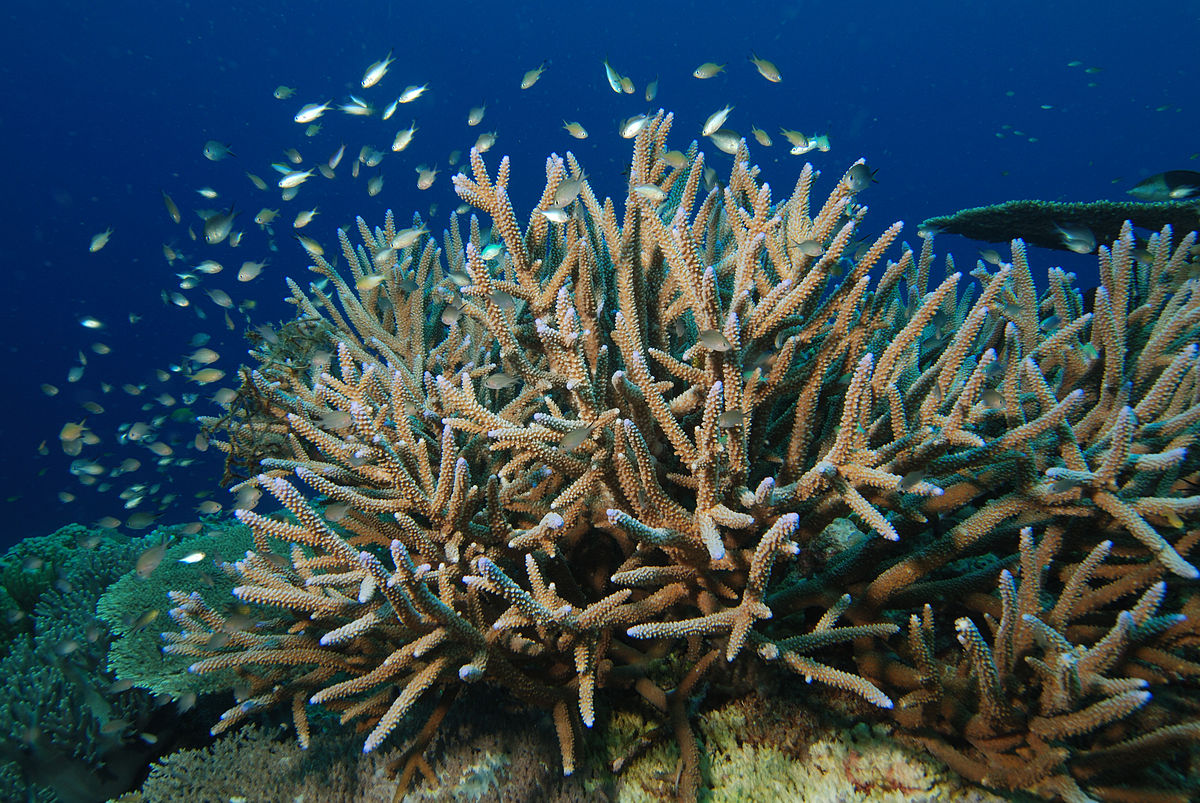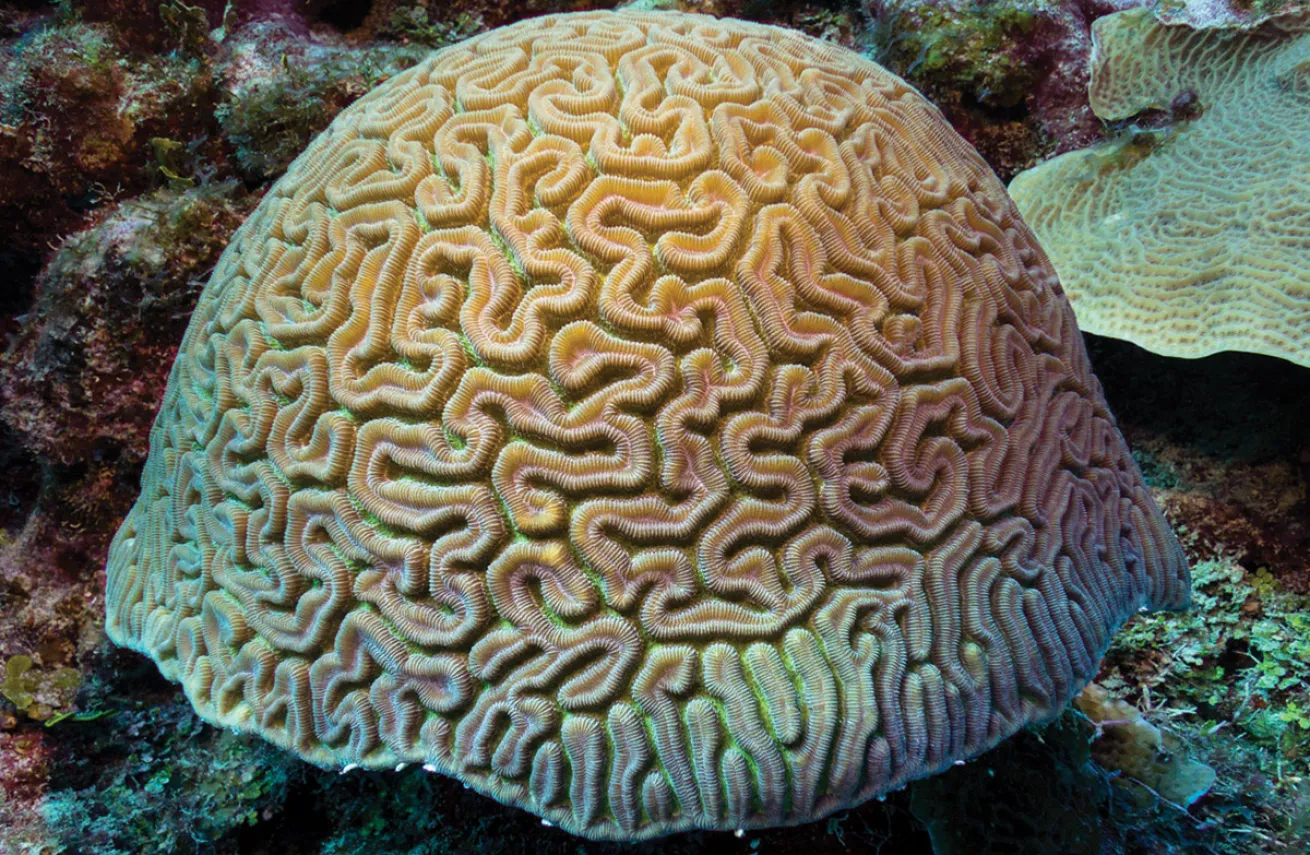
Brain Coral
Diploria labyrinthiformis
Also known as: Grooved Brain Coral
Brain Corals are named for their grooved, brain-like appearance. These long-lived corals can survive for centuries and form the backbone of Caribbean reef ecosystems. They are under threat from climate change and disease.
Max Size
6 feet (1.8 m) diameter
Lifespan
200-900 years
Depth
1-40 meters
Water Type
saltwater
Scientific Classification
- Class
- Hexacorallia
- Order
- Scleractinia
- Family
- Mussidae
- Species
- Diploria labyrinthiformis
Habitat & Distribution
Habitat
Distribution
Behavior
Brain corals are colonial animals - each "brain" contains thousands of tiny polyps. During the day, they photosynthesize via their algae. At night, polyps extend tentacles to catch plankton.
Reproduction
Brain corals reproduce by broadcast spawning, releasing eggs and sperm in synchronized mass events. They can also reproduce asexually through fragmentation.
Aquarium Care Guide
Minimum Tank Size
50 gallons
Care Level
Moderate
Temperament
Peaceful
Temperature
75°F - 82°F
Diet
Photosynthetic + planktivore
Conservation Status
Main Threats
- Climate change
- Ocean acidification
- Disease
🎉 Fun Facts
- Some brain coral colonies are over 900 years old
- They can grow only 3-4mm per year
- Brain corals feed at night by extending tentacles
- They have symbiotic algae (zooxanthellae) inside them
- A single colony is made of thousands of polyps