
You can physically eat barracuda, and people in some tropical regions do, but health authorities advise against it. The CDC says travelers should never eat barracuda because it is one of the fish most likely to carry ciguatoxin, which cooking and freezing do not remove. No size limit or preparation method makes a barracuda meal reliably safe.
Why Health Authorities Say No
The main risk is ciguatera fish poisoning. Tiny algae on reefs produce the toxin, small fish eat the algae, and predators such as barracuda build it up by eating those fish.
Two CDC sources are direct on this. The CDC Yellow Book tells travelers never to eat high-risk fish such as barracuda and moray eel. A CDC report on ciguatera cases advises people to avoid large predatory reef fish, especially barracuda.
Barracuda still reaches some markets. A 2017 review in the journal Marine Drugs reported that 41.3 metric tons of barracuda were sold in Florida in 2014. A fish being for sale does not mean it was tested, though. The CDC has reported no proven screening test for fish before they are eaten, and the FDA's seafood hazards guide says its ciguatoxin guidance levels are used to confirm illnesses and identify problem areas, not to clear individual fish.
One meal is enough to cause illness. In a 2015 outbreak on a cargo ship in the Caribbean, all eight crew members who ate a fish they identified as barracuda became ill within 1 to 3 hours. Toxin testing was not possible because no leftovers remained, so doctors made the diagnosis from the symptoms.
Common Safety Tips and What They Really Do
Many guides list rules for eating barracuda "safely." Some of these rules help with other food risks, but none reliably protects you from ciguatoxin.
| Tip | What it helps with | Protects against ciguatoxin? |
|---|---|---|
| Cook to 145°F (63°C) | Bacteria and parasites | No |
| Freeze the fish | Some parasites | No |
| Eat only fish under 2 feet | Nothing proven | No |
| Throw away the head, guts, liver, and roe | Removes tissues the CDC warns against | No, the flesh can also be toxic |
| Limit it to once or twice a week | Overall exposure to contaminants | No, one meal can make you sick |
| Ask where it was caught | Avoiding known hot spots | Partly, but it is no guarantee |
Does Size Matter?
Less than people think. The old rule held that small fish have not had time to collect much toxin. A study of 856 reef fish in French Polynesia found that size could not be used to predict toxicity, and only one of 44 species-by-island groups showed toxin rising clearly with length. That study did not focus on barracuda, but it undercuts the idea that a short fish is a safe fish.
The FDA adds that fish caught side by side can carry very different toxin levels because of differences in diet and life history. A friend who ate a barracuda from the same spot last month tells you little about the one on your plate.
Does Location Matter?
It matters, but it does not settle the question. Risk is highest in tropical and subtropical reef waters, and the FDA lists the Caribbean, the Gulf of Mexico, and parts of Florida, Hawaii, Puerto Rico, and the U.S. Virgin Islands among affected areas. The CDC has also documented cases from barracuda caught off South Carolina and Texas, and notes that barracuda can move toxin from one region to another.
Risk also differs by species. The FDA's hazard table marks ciguatera for the great barracuda (Sphyraena barracuda) and for S. jello, but not for all barracuda species. That table is written for seafood processors and is not a safety clearance for consumers. FDA illness records also include a 2025 case in Palau tied to a different species, S. arabiensis. If you cannot identify the species and know the local risk, treat any barracuda as high risk.
What Does Barracuda Taste Like?
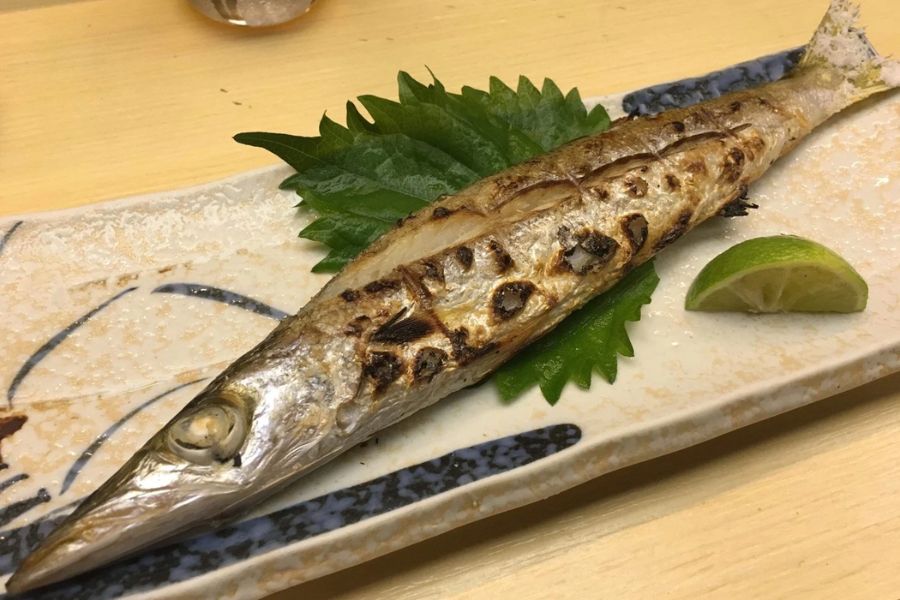
People who eat barracuda usually describe firm white meat with a stronger, more savory flavor than mild fish such as tilapia or flounder. It is often compared to tuna or mackerel in texture and richness. These are general descriptions, not the results of any formal taste study.
Flavor gives no warning. The CDC describes ciguatoxins as odorless, colorless, and tasteless, so a toxic fillet can look, smell, and taste normal.
Can You Eat Barracuda Raw?
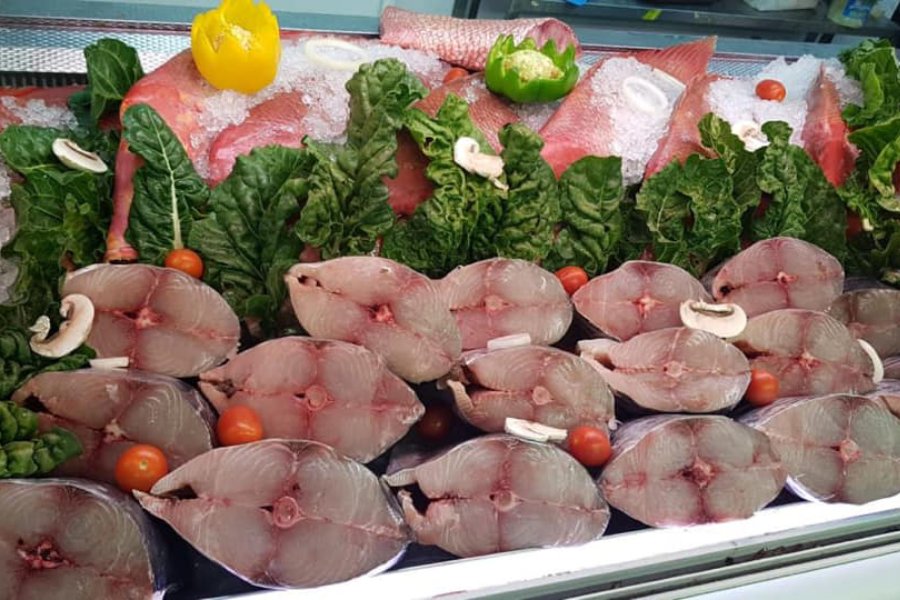
No. Raw barracuda carries the same ciguatoxin risk as cooked barracuda, and it adds the usual hazards of raw seafood. Raw or undercooked marine fish can carry parasites, and the CDC links Vibrio infections to raw or undercooked seafood. Skip it as sushi, sashimi, poke, or ceviche. Citrus juice in ceviche does not cook away ciguatoxin either, since the CDC says the toxin survives pickling and acid in the stomach.
Does Cooking Make Barracuda Safe?
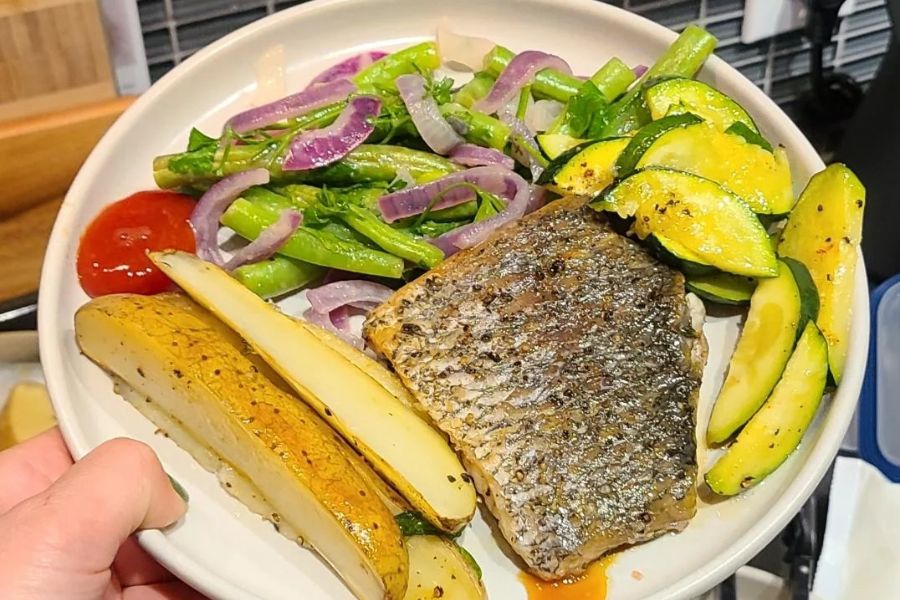
No. Grilling, baking, frying, smoking, salting, and canning all leave ciguatoxin in place. The CDC says the toxin is not destroyed by canning, cooking, freezing, pickling, salting, or smoking.
Cooking fish to 145°F remains good general food safety because it deals with bacteria and parasites. It simply does not address the reason authorities warn against barracuda. For that reason, this guide does not include recipes.
If you are traveling and see barracuda on a menu, or a fisher offers you one, the safest choice is to decline. Ask what fish you are being served at reef-side restaurants, since local names vary.
Is Barracuda High in Mercury?
The data are thin. Barracuda does not appear in the FDA's table of mercury in commercial fish, and the FDA and EPA fish advice does not list it either. That means there is no FDA "one or two servings a week" rule for barracuda, despite claims you may see online.
As a large predator, it is a reasonable fish to be cautious about. In California, a 2009 local news report said state health officials advised women ages 18 to 45 and children under 17 to avoid barracuda caught between the Santa Monica Pier and Seal Beach Pier because of mercury. Check California's current fish advisories if you fish there, because that report is old.
Is Barracuda Safe During Pregnancy?
Skip it. Barracuda is not on the FDA's list of recommended fish, the mercury data are limited, and the ciguatera risk applies to everyone. The FDA suggests 2 to 3 servings a week from its Best Choices list for people who are pregnant or breastfeeding, such as salmon, shrimp, cod, or canned light tuna. For fish caught by family or friends, it says to check local advisories.
Nutrition: Good, But Easy to Replace
Barracuda is a lean, protein-rich fish, like most white-fleshed saltwater species. Published nutrition figures vary widely by source and by cooking method, so exact numbers are hard to pin down. Those nutrients do not offset the poisoning risk, and you can get protein and omega-3s from lower-risk fish such as salmon, cod, or pollock. The seafood checker and seafood guide can help you choose.
If You Have Already Eaten Barracuda
If you feel fine, you do not need to do anything except watch for symptoms over the next 30 hours or so. Most people who become ill notice symptoms within 3 to 6 hours.
- Nausea, vomiting, diarrhea, or stomach pain
- Tingling or numbness, especially around the mouth, hands, or feet
- Itching, weakness, or muscle and joint pain
- Cold things feeling hot, or a metallic taste
- A slow heartbeat, dizziness, or fainting
Call 911 for trouble breathing, fainting, or chest pain. For other symptoms, see a doctor promptly and tell them you ate barracuda. In the U.S., you can also call Poison Control at 1-800-222-1222. Freeze any leftovers, because they can be tested. There is more detail on symptoms and treatment in is barracuda poisonous.
Sources
- Food poisoning from marine toxins (CDC Yellow Book)
- Ciguatera fish poisoning cases linked to barracuda in Texas and South Carolina (CDC MMWR)
- Fish and Fishery Products Hazards and Controls Guidance (FDA)
- Advice about eating fish (FDA)
- Barracuda-linked ciguatera outbreak among seafarers (WHO Western Pacific Surveillance and Response)